




Skip to content

Truth has aphysical address.

Lightmark writes a dynamic signature into the light of a physical space. Every camera in the room captures it. Footage that was never there, whether generated or edited, can't carry it.

Every authenticationsystem ever built starts afterthe content already exists

Generative video is now cheap, fast and convincing. Detection tools that score well in the lab lose accuracy on real-world footage, and the best fakes routinely fool trained reviewers.

Every tool built to catch fabricated content starts after the content was made. Detection, watermarks, metadata: they are, by design, always one step behind.

Lightmark works before capture begins.

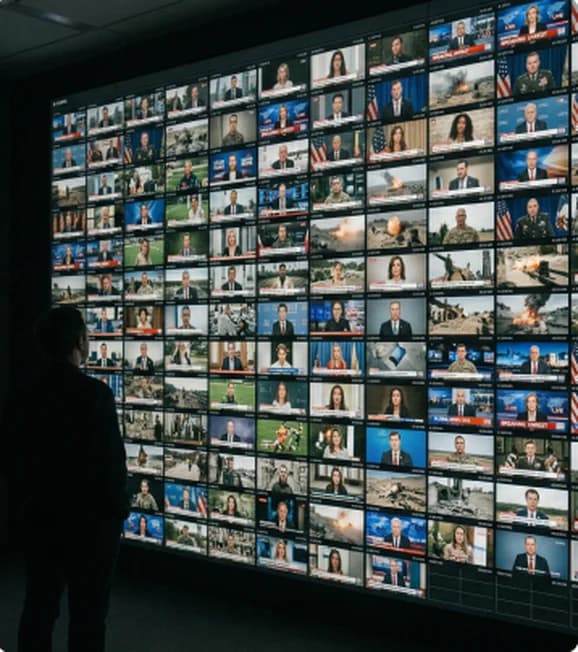
A person facing a wall of hundreds of news screens
Lightmark beacon emitting a dynamic optical signature

Before the camera.Before the file.Before the fake.

Every authentication system ever built starts after the content was made. Lightmark starts before the camera is on.

Our beacons broadcast a unique, dynamic optical signature into the physical space. Every sensor present captures it as a natural consequence of being there: no integration, no awareness, no action required.

Software can't add it afterwards. AI can't generate it. It only exists in light that was physically there.

Explore the technology →

Three moments.Written in light.

Get in touch
  1. 1

    The Beacon

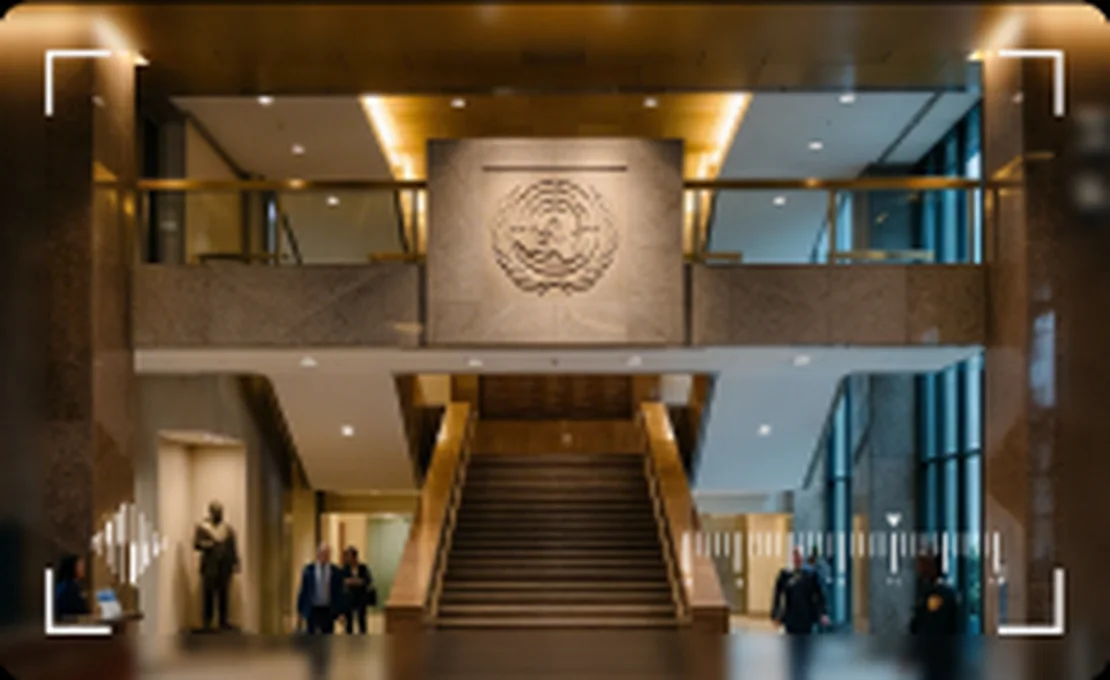
    Lobby of an institutional building signed by a Lightmark beaconSignedUnsigned

    Lightmark hardware installed in the physical space broadcasts a dynamic optical signature, invisible to the human eye. Cameras don't need to capture it on purpose. They simply can't avoid it.

  2. 2

    The Capture

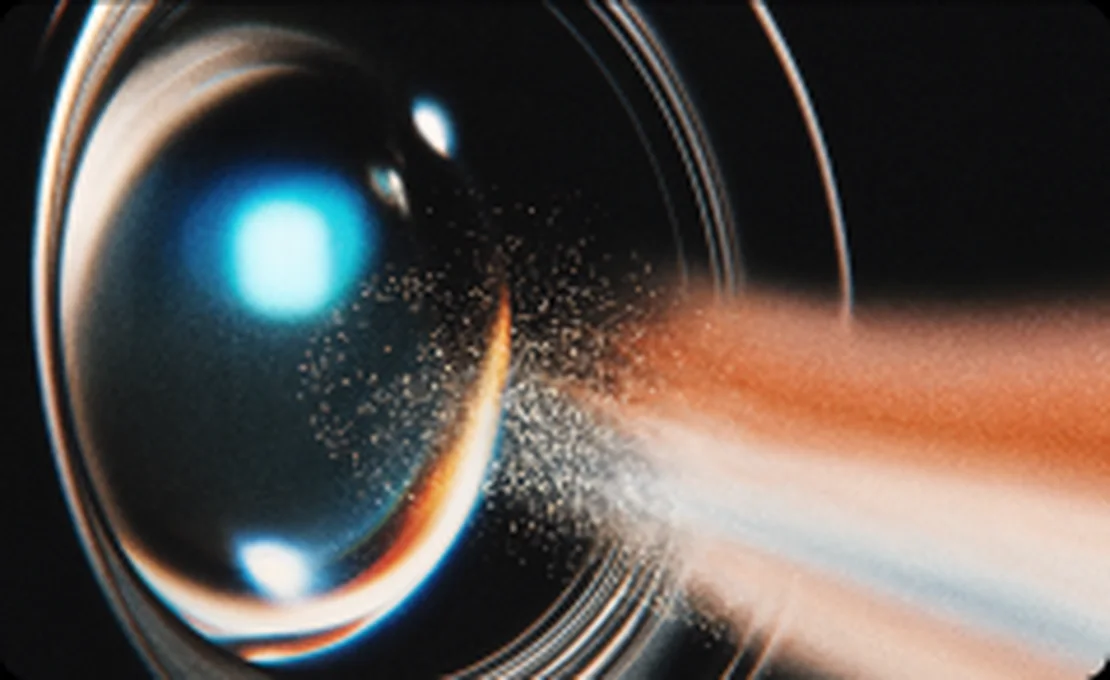
    Close-up of a camera lens catching a stream of light

    As cameras record, the signature is written into the light reaching every sensor. No software. No manual steps. No dependency on the camera, the operator or the manufacturer.

  3. 3

    The Verification

    The same lobby shown inside a verification viewfinder

    Our engine reads the signature frame by frame: where and when the footage was captured, and whether it was altered. The result is a dispute-ready authenticity report.

See it in motion.

All explainer videos →
Read the transcript

Cameras capture what becomes news, evidence, and record, but metadata can be stripped or rewritten. So “probably real” is the best anyone can say. With Lightmark, emitters illuminate the scene with a dynamic, keyed optical signature. Cameras capture it in every illuminated pixel, and verification confirms source, place, time, and authenticity. Footage gets graded, cropped, and recompressed. The dynamic signature is designed to survive because it lives in the light, not in the file. Verification works pixel by pixel. Any pixel without the dynamic signature is treated as no light at all, so anything added later shows up as black. Provenance at the source, replacing “probably real” with proof that holds up downstream. Built for camera and infrastructure makers, media platforms, and anyone who must prove origin. Lightmark. It doesn't authenticate files. It authenticates physical events.

The world's most consequential footage, authenticated

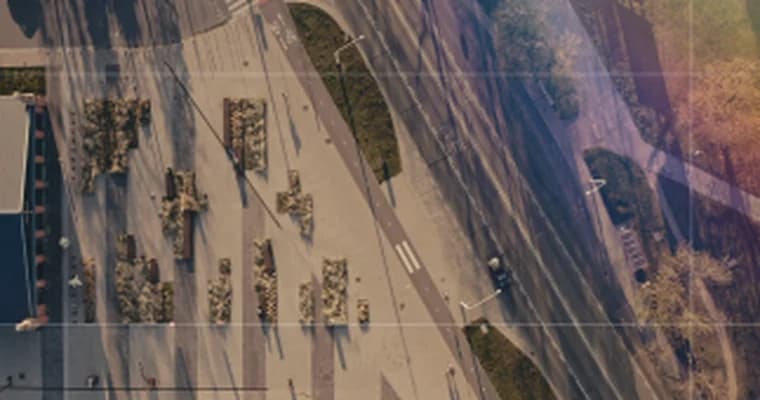
  1. Aerial view of a staging area with vehicles, overlaid with Lightmark viewfinder marks

    01 05

    Defence &
    Intelligence

    Lightmark deploys into physical environments where ground truth is operationally critical. Operational footage, surveillance feeds and intelligence assets are authenticated at the source, with chain-of-custody provenance designed to resist adversarial manipulation.

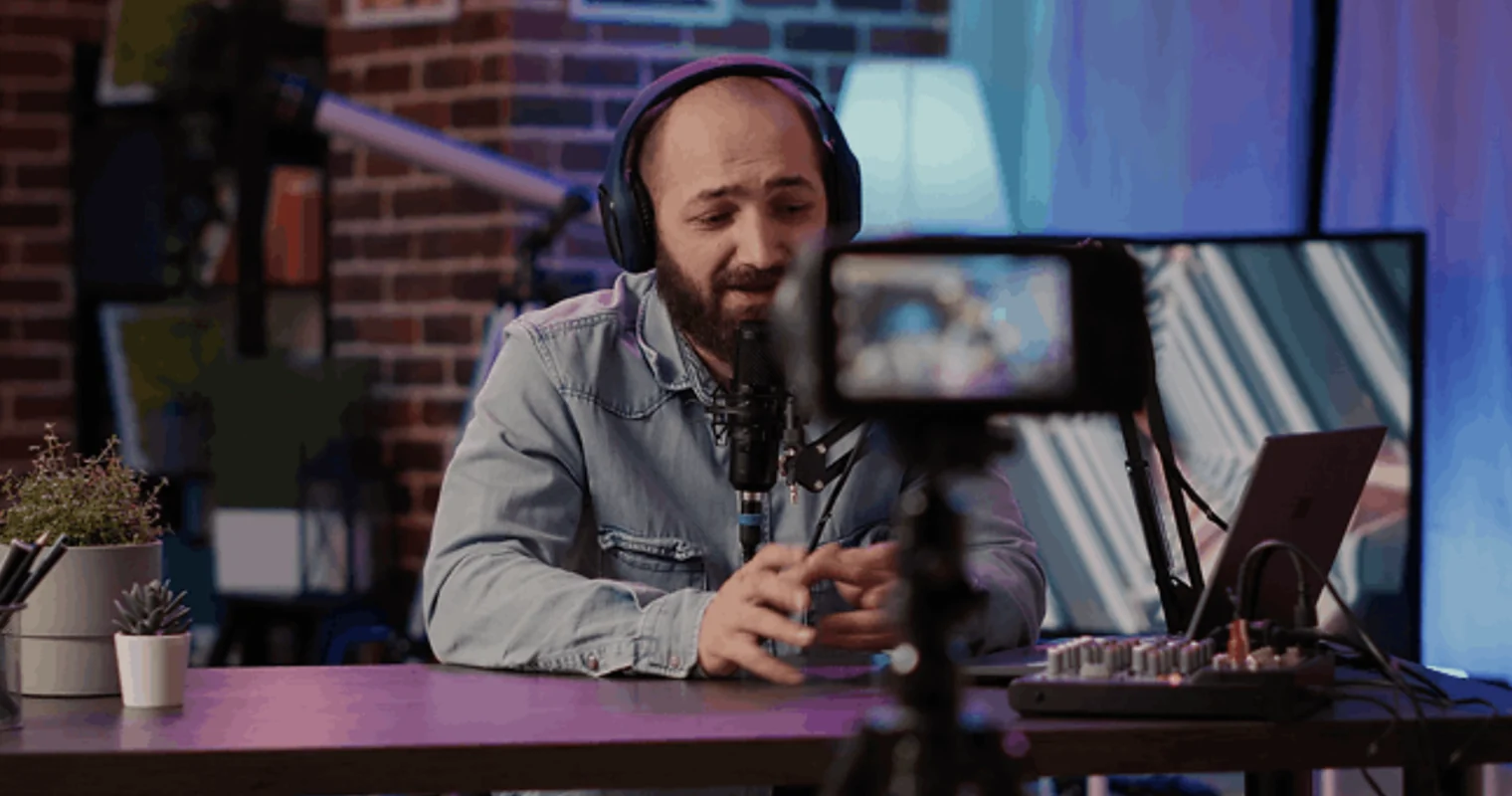
  2. Creator recording content in a studio

    02 05

    The Creator Economy
    & Influencers

    As AI-generated content floods every platform, creators who can prove their content is genuinely theirs hold an advantage fabricated content cannot match. Lightmark lets creators and media brands carry verifiable proof of origin.

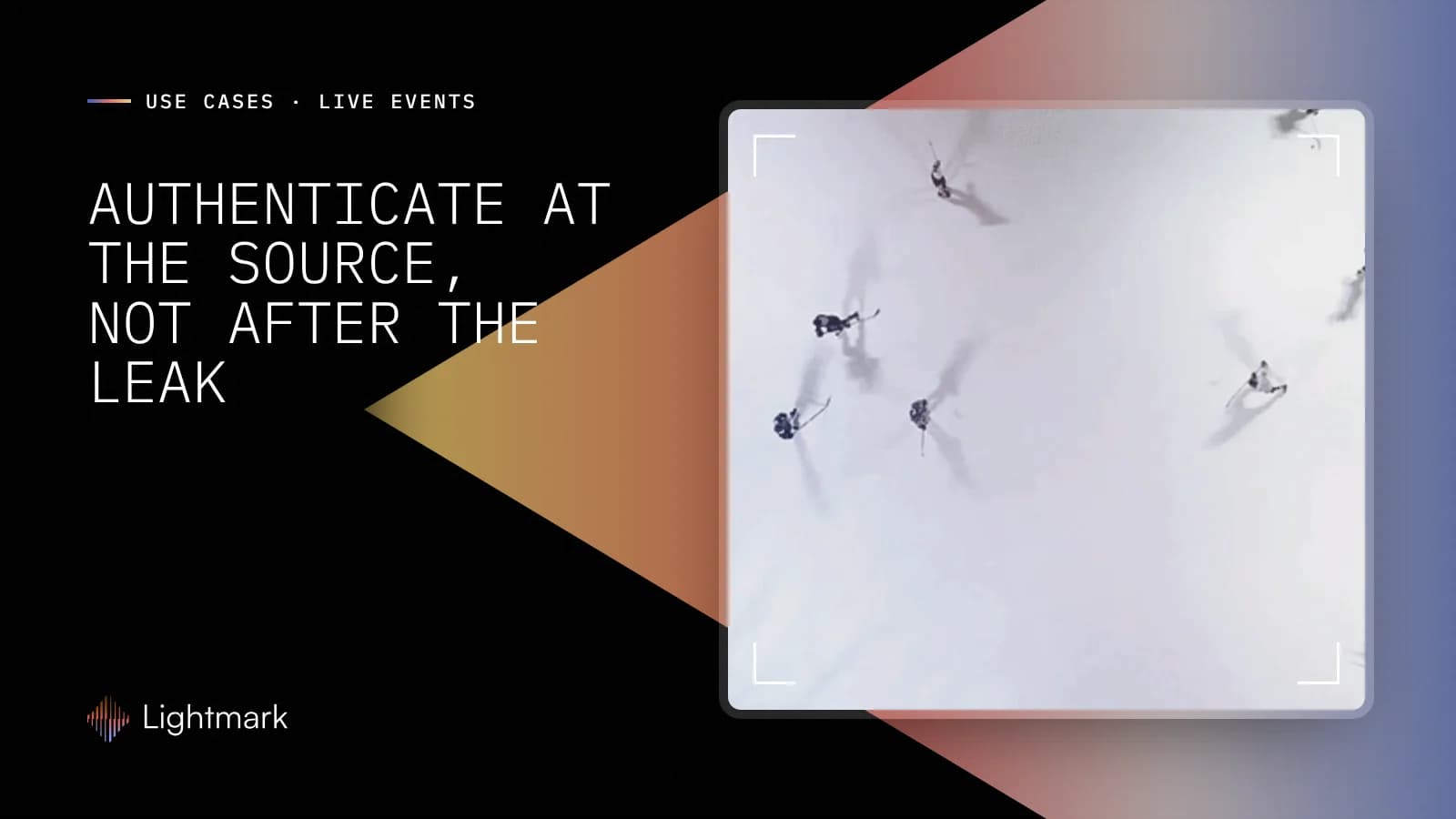
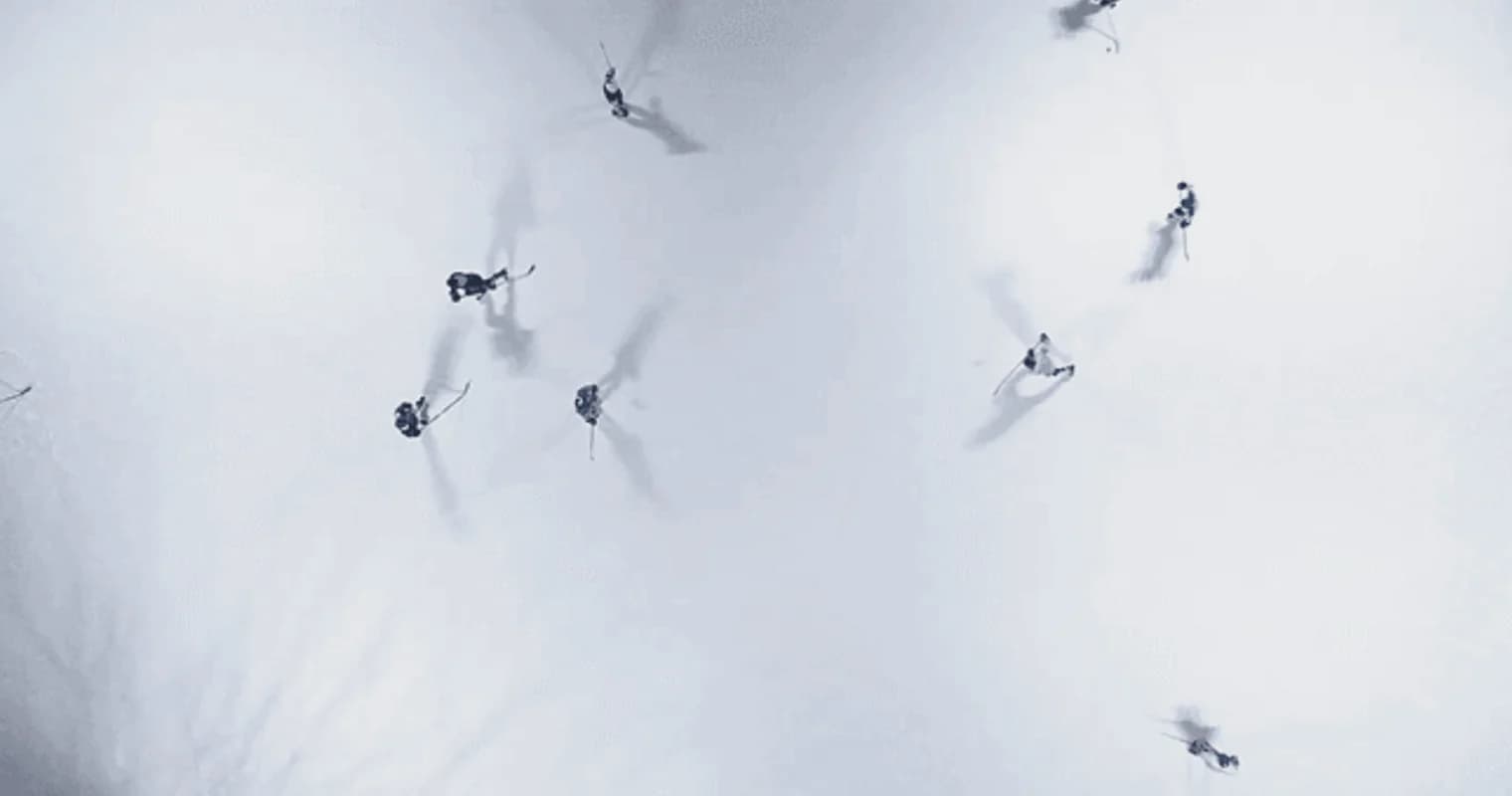
  3. Aerial view of ice hockey players during a live game

    03 05

    Sports &
    Live Events

    Every frame captured inside a Lightmark-enabled venue carries provenance tied to that venue. Rights holders move piracy enforcement from reactive to evidence-based, and integrity teams can check any clip in seconds.

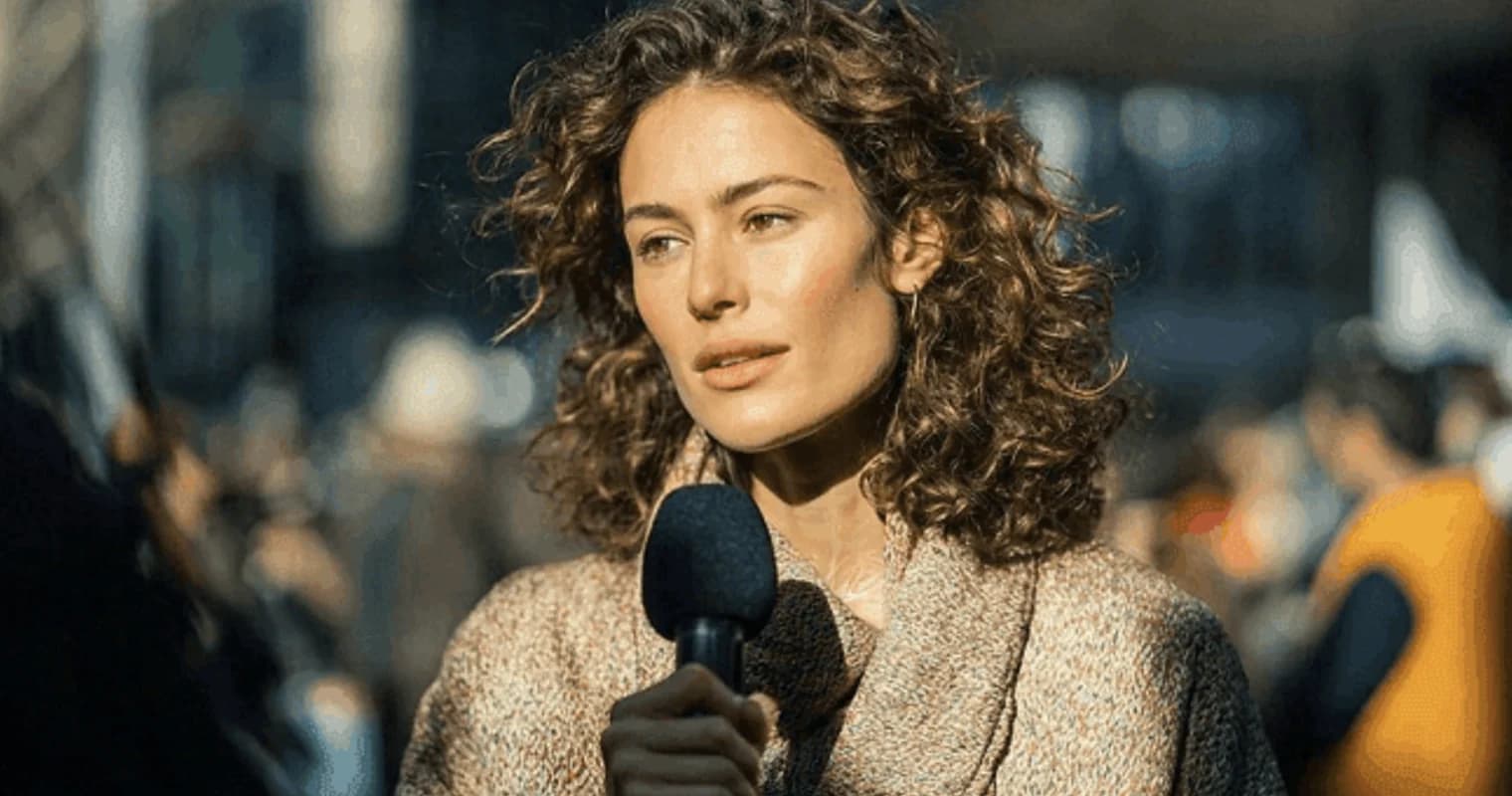
  4. Reporter speaking into a microphone at a live news scene

    04 05

    News &
    Broadcasting

    Footage verified at the source, before it reaches an editorial desk. Lightmark lets broadcasters prove, not just assert, that footage was captured at a specific location and time.

  5. Officials speaking at a press conference panel

    05 05

    Government &
    Secure Facilities

    Zero-trust physical security for controlled environments. Authenticate official recordings and detect unauthorised capture in camera-restricted zones.

AI content must now be disclosed.
Authentic content still can't prove itself.

Since 2 August 2026, Article 50 of the EU AI Act requires AI-generated and manipulated content to be marked in a machine-readable way and disclosed as such, with fines of up to €15 million or 3% of global turnover.

Labels can be stripped. Unlabelled fakes will keep circulating. What the market lacks is the other half: a way for genuine footage to prove where it came from. That is the infrastructure Lightmark is building.

Built by people who understand both the physics and the market.

  • Daniel Oblitas Garafulic

    Daniel Oblitas Garafulic

    Founder & CEO

  • Alexander Nova

    Alexander Nova

    Strategy & Innovation Advisor

  • Nicholas MacGowan

    Nicholas MacGowan

    Strategic Partnerships, Bifrost Defence

  • David Rogberg

    David Rogberg

    Founders Associate, Bifrost Defence

Questions, answered.

What is Lightmark?

Lightmark is a physical-layer optical authentication technology developed by GIF Solutions Ltd (trading as Lightmark Technologies, UK). Beacons broadcast a dynamic optical signature into a physical space; every camera in that space captures it; Lightmark's verification engine reads it to establish where and when footage was captured and whether it has been altered.

How is Lightmark different from watermarking?

A watermark is added to a file after it exists and can be stripped or forged. Lightmark's dynamic signature is carried by the light in the scene itself, so it is captured by the camera at the moment of recording. Footage that was never physically captured in a signed space, including AI-generated content, does not carry it.

How is Lightmark different from C2PA content credentials?

C2PA records claims about a file's history in attached metadata, which can be removed when content is re-encoded or re-uploaded. Lightmark provides evidence from the physical layer, in the pixels themselves. The two are complementary: C2PA documents distribution, Lightmark proves capture.

Do cameras need special hardware or software?

No. Standard image sensors capture the signature passively. There is no integration with the camera, the operator or the manufacturer. Lightmark hardware lives in the space, not in the device.

Is the signature visible to people?

No. The dynamic signature is designed to be imperceptible to the human eye while remaining readable from the captured footage.

What does verification produce?

A dispute-ready authenticity report: which signed space the footage came from, the capture time window, and per-pixel evidence of whether the content was altered after capture.

Does Lightmark help with the EU AI Act?

Article 50 of the EU AI Act, applicable since 2 August 2026, requires AI-generated and manipulated content to be marked and disclosed. Lightmark addresses the other side of the same problem: proving that authentic footage is authentic. It complements, and does not replace, an organisation's own compliance obligations.

What stage is Lightmark at?

Lightmark is patent pending and running early-access pilots with partners in media, live events, defence and government. Performance targets are being validated in those pilots.

In a world of infinite digital noise, value flows to the scarcity of truth.

Lightmark anchors that truth in the physical world. The standard for truth starts here.

Get in touch